A free guide for new parent

A safer nursery starts with four simple steps

From choosing the right cot to knowing which safety standards actually matter, this free guide walks you through everything your baby's sleep space needs - no jargon, no overwhelm.

Free instant download. No spam, ever.

BS EN 716
BS EN 16890
FIRA tested
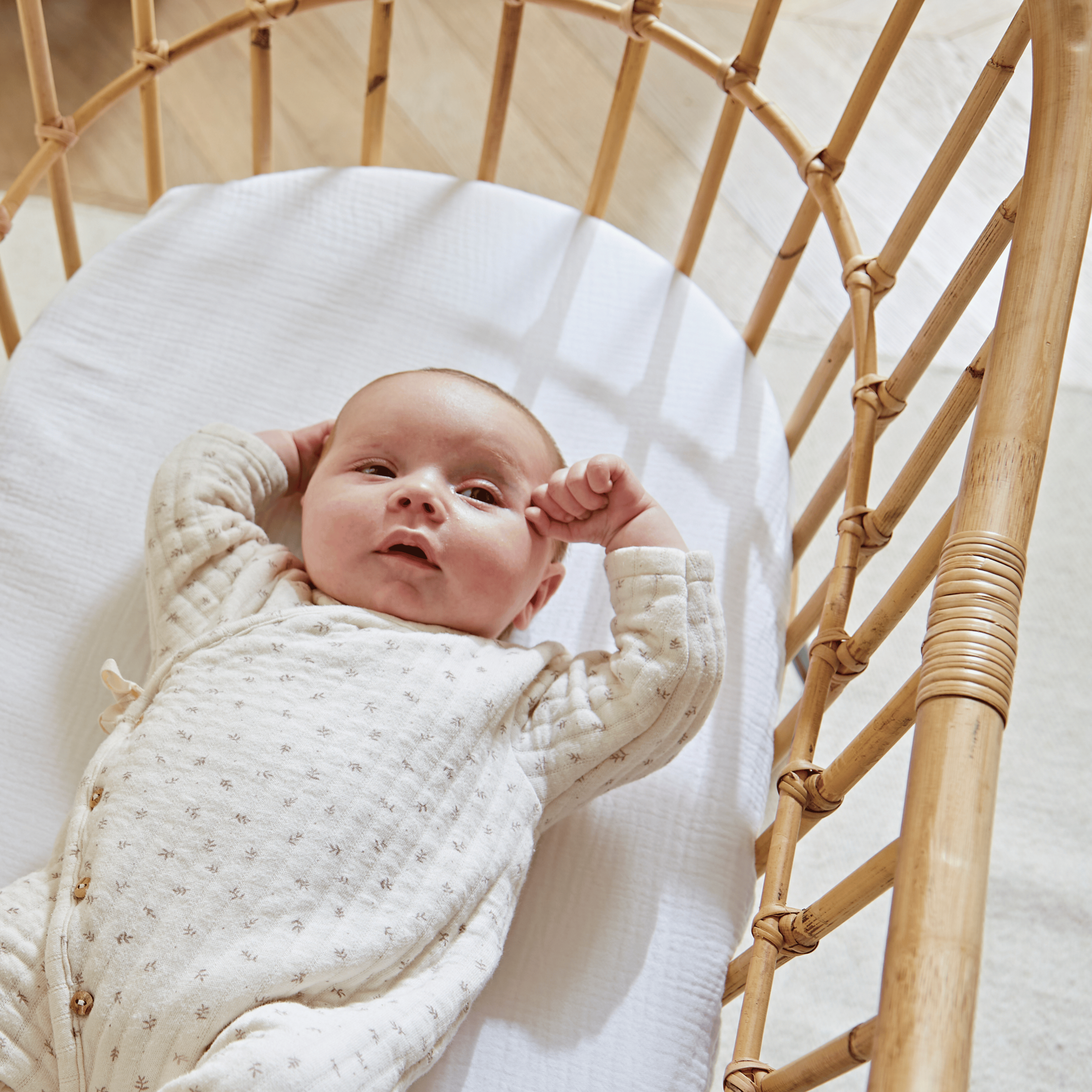
a free guide for new parent

Quick safer sleep checklist

  • Sleeping area is clear and clutter-free
  • Mattress is firm and flat
  • Room temperature feels comfortable
  • Cot is positioned safely away from heat and hazards

What's inside

Four things worth getting right, explained simply

1. Choose a safe sleep space

A firm, flat mattress and a fitted sheet - no pillows, quilts, bumpers or loose bedding near baby's face. A clear cot is a safer cot.

2. Position the cot safely

Keep it away from radiators, windows, blind and curtain cords - and anything baby could reach as they grow.

3. Keep the room comfortable

Aim for 16–20°C and dress baby in light layers. A room that feels slightly cool is safer than one that feels too warm

4. Check safety standards

Look for BS EN 716, BS EN 16890 and FIRA testing when choosing a cot or mattress - the guide explains exactly what each one means.

Why it matters

Furniture that's actually been tested

Safe sleep starts with well-made, well-tested furniture. The guide decodes exactly what these certificates mean, so you know what you're really looking for.

BS EN 716
Structural safety
BS EN 16890
Mattress safety
FIRA Tested
Everyday durability
BS 8509
Cot Bed safety

"Safer sleep isn't about perfection - it's simple, consistent habits that help you feel confident from day one."

- The ultimate safer sleep guide

Frequently asked questions

What should be in my baby's cot?

Just a firm, well-fitting mattress and a fitted sheet. Keep pillows, duvets, quilts, cot bumpers and soft toys out — a clear cot is a safer cot.

What temperature should the nursery be?

Between 16–20°C. A room that feels slightly cool is safer than one that feels too warm, as babies overheat more easily than adults.

How should I dress my baby for sleep?

Thin layers rather than thick blankets. Under 16°C: vest, baby grow and a 2.5 tog bag plus a thin layer. 16–20°C: vest, baby grow and a 2.5 tog bag or blanket. 20–24°C: short-sleeve vest with a 1.0 tog bag or thin cellular blanket. Over 24°C: vest or nappy only, no sleep bag needed.

What safety standards should I look for in a cot?

BS EN 716 for cots and cot beds (safe bar spacing, secure sides, structural stability) and BS EN 16890 for mattresses (no bumps or dips, washable cover that goes back on correctly).