
Looking for something specific?
Take a look at our blog categories and get the advice and guidance you need!
check out our latest articles

CuddleCo's Essentials for Your Nappy Station
A simple guide for busy parents – with tips and smart essentials from CuddleCo. When you’re navigating life with a newborn, the smallest mom...
read more
Introducing Your Baby To Your Fur Baby
Expanding the family from just pets to human baby? Here’s some tips and tricks of how to introduce your pet to your baby: Pets are instinctive cre...
read more
CuddleCo's 1st Trimester Guide
Pregnancy can feel exciting, overwhelming and emotional, often all at once. That’s why we’re starting a new Sunday Series, designed to support y...
read more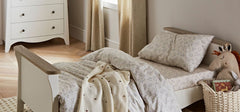
How to Convert Your Cot Bed into a Toddler Bed
Turning your cot bed into a toddler bed marks an important moment in your child’s development - and with CuddleCo, it’s easy to do. (Applies...
read more
The CuddleCo Wedge Changing Mat Guide: Safe, Comfortable & Styled for Modern UK Nurseries
Nappy changes are one of those everyday moments that quickly become routine - but the right mat can make changing time calmer, safer and far more...
read more
CuddleCo's 1st Trimester Guide
Pregnancy can feel exciting, overwhelming and emotional, often all at once. That’s why we’re starting a new Sunday Series, designed to support y...
read more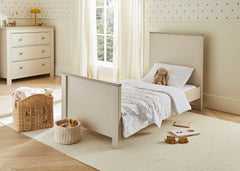
Why Convert Your Cot Bed into a Toddler Bed?
When you’re choosing nursery furniture, you want pieces that feel timeless and last beyond the baby stage. That’s exactly what a cot bed offers,...
read more
One name, two sizes – what’s the difference?
We get this question a lot, so we've put together a simple guide to help you choose the right fit for your space. Parents often ask us about the di...
read more
Etta vs. Marley: The Ultimate Nursing Chair Showdown
Spoiler alert: everyone wins (especially you and baby). When it comes to setting up your nursery, there’s one hero piece that often gets overlooked...
read more
On Trend; Parent Edition
We all know toddlers can be tiring so we’re here to help where we can with the best advice for toddlers. from meal advice to helping with the first steps of life, we hope we can make parenting a little easier!

Transitioning your nursery into a toddler room is a big milestone, but it doesn’t have to feel overwhelming. From recognising when your child is ready to adapting your furniture as they grow, this guide shares gentle, practical tips to help you create a safe, comfortable and beautifully evolving space for your little one.

Looking for children’s birthday gift ideas that last will grow with them. Discover thoughtful gifts designed to spark imagination, encourage active play and fit beautifully into your home. From soft play to play tents and standing animals, explore gifts that are made for play, not put away.

Looking for Easter gift ideas beyond chocolate? Our UK guide for parents, grandparents, and families’ thoughtful gifts for children - perfect for keeping little ones busy over the Easter holidays.

Valentine’s Day is a moment to recognise care in practical ways. From pregnancy through early parenthood, these five gift ideas are designed to offer real support long after the flowers fade.
Designing Nurseries

Advice from our Head of Product, Catherine
With over 20 years in product design and styling, and as a mum myself, I know nursery design is about far more than creating a beautiful room.
It’s about creating a space that feels calm, practical and ready to support real family life. But it should also feel like you. And lately, there’s one nursery design trend I keep coming back to.
The move towards richer, moodier interiors. If you’ve found yourself saving images filled with olive tones, darker woods, rust accents and softly layered lighting, you’re not alone. Because perhaps the bigger question is…
Who says a nursery has to be pale to feel calming?

The shift towards moodier interiors
For years, Scandinavian-inspired minimalism shaped our homes. Bright whites. Pale woods. Clean lines. Airy spaces. Beautiful? Absolutely.
But over time, homes started feeling less like showrooms and more like sanctuaries. Hospitality spaces like Soho House helped lead that shift, bringing warmth, layered texture, deeper tones and atmospheric lighting into interiors in a way that felt inviting rather than formal.
Designers like Amber Lewis and Studio McGee continued that movement, showing how richer colours, vintage textures and darker woods could still feel calm, relaxed and incredibly liveable. And once a trend reshapes the wider home, it naturally begins influencing nursery design too.
Because parents today aren’t designing isolated “baby rooms.” They’re creating spaces that feel like a natural extension of the home they already love.

Can darker nursery interiors actually work?
In short? Yes.
But a moody nursery doesn’t mean dramatic black walls or anything overly heavy. It’s about warmth, depth, texture & contrast.
A nursery should still feel comforting and practical, but calm doesn’t have to mean colourless. Some of the most soothing interiors are the ones that feel cocooning rather than clinical. Soft lighting, layered textures & colours that shift beautifully through the day. A room that feels less “traditional nursery formula” and more simply… home.
Start with a calm foundation
If you’re drawn to richer nursery ideas but feeling nervous, start with balance.
The most successful spaces begin with a softer foundation:
-
warm oat or taupe walls
-
soft cashmere tones
-
natural oak furniture
-
woven textures
-
neutral rugs
-
linen curtains
-
gentle upholstery
Once that calm base is in place, richer accents feel intentional rather than overwhelming.
Think:
-
olive
-
rust
-
berry
-
chocolate
-
muted navy
-
earthy clay
Bold doesn’t have to mean busy.
Choose one brave design moment
You don’t need to commit to an entire dramatic nursery scheme. Often, one confident choice creates enough personality.
That might be:
-
painted panelling behind the cot
-
a statement wallpaper
-
dramatic curtains
-
a richer nursing corner
-
an accent armchair in boucle or velvet
-
artwork that feels timeless rather than overly baby-themed
If you’re experimenting with trend-led nursery styling, one focal point can be the perfect starting place.

Colour should feel alive
The most beautiful interiors rarely rely on flat colour. Depth matters.
An olive can feel soft and mossy in daylight, then richer by evening.A rust can glow warmly under softer lighting. A navy can feel cocooning rather than harsh. That’s why I always recommend testing colours in your own nursery before committing. Because how a room feels at 10am can be very different to a sleepy 2am feed.
Texture is what makes it work
Richer nursery interiors only feel successful when they’re softened with texture. That’s where warmth comes from.
Think:
-
boucle nursing chairs
-
quilted throws
-
washed cotton bedding
-
natural wood furniture
-
wool rugs
-
woven storage
-
linen curtains
The goal is comfort.

Design for the years ahead
One of the reasons I love this trend is its longevity.
A nursery built around richer, timeless foundations often transitions beautifully into toddler years and beyond. Rather than designing for a fleeting baby phase, you’re creating a room with flexibility, personality and warmth. And that often makes for the most successful spaces.
Trust your instincts
If you keep saving olive panelling, rust textiles, darker woods and moodier nursery inspiration… this might be your sign.
The most meaningful nurseries are rarely the ones built around rules. They’re the ones that reflect the family creating them. So if your version of calm looks a little richer, a little warmer, or a little braver than the “traditional” nursery look, trust that instinct.
Because your nursery should feel just right for your baby… and for you.

Advice from our Head of Product, Catherine
With over 20 years in product design and styling and as a mum herself Catherine knows that the most loved nursery spaces are never just about how they look. They’re about creating rooms that feel calm, practical and ready to support family life from day one.
Catherine has pulled together some of her top tips to help you create a nursery that is both beautiful and practical.

You’ve probably already started saving ideas. A calming colour palette here. A beautiful cot there. Soft textures, thoughtful details, perfectly styled shelves. Designing your baby’s nursery is one of those special milestones that makes everything start to feel wonderfully real. But alongside the inspiration, there’s often one practical question quietly sitting in the background:
How will this room actually work?
Because while beautiful nurseries are lovely to look at, the most successful ones are the spaces that support real family life too. The late-night feeds. The quick nappy changes. The sleepy cuddles. The chaotic mornings. A nursery should feel beautiful, yes, but it should also make everyday life easier.
Start with how you want the room to feel
Before choosing furniture, colours or accessories, think about atmosphere.
How do you want this room to feel when you walk into it? Calm? Cosy? Light and airy? Warm and cocooning?
Because nursery design isn’t just about creating a room for baby, It’s about creating a space where you’ll spend time too The most comforting nursery ideas often focus less on trends alone, and more on emotional atmosphere. Soft textures, thoughtful storage, gentle lighting and uncluttered layouts all help create a sense of calm. And while themed nurseries can be lovely, timeless spaces often age more gracefully growing with your family long beyond the newborn stage.
Lighting changes everything
Lighting is one of the most overlooked parts of nursery design, but it can completely shape how a room feels. A single bright ceiling light might be practical for some moments, but softer layered lighting makes a huge difference during quieter parts of the day.
Think about introducing:
-
A warm table lamp for evening wind-downs
-
Rechargeable wall lighting for flexible softer light
-
Night lights for feeds or quick room checks
-
Dim lighting options where possible
The goal isn’t to make the room dark. It’s to create lighting that feels adaptable. A nursery should feel soothing, not like an airport runway at 2am.

Think beyond the cot
It’s easy to focus all your attention on choosing the perfect cot, but real nursery life happens around the whole room.
Ask yourself:
-
Is there enough storage for everyday essentials?
-
Will changing supplies be easy to reach?
-
Is there space to move around comfortably while holding baby?
-
Could a feeding chair or quiet corner be helpful?
-
Will the room still feel functional as your baby grows?
A beautifully styled nursery that’s difficult to navigate quickly loses its charm. Layout matters just as much as aesthetics. The best nursery furniture layouts make everyday routines feel simple and intuitive.
Soft furnishings make a room feel finished
Some of the most impactful nursery styling choices aren’t furniture at all. Soft furnishings bring warmth, texture and personality into the space.
Things like:
-
Curtains
-
Blackout blinds
-
Rugs
-
Storage baskets
-
Cushions
Layering textures helps a nursery feel softer and more inviting And practical choices matter too. Window dressings can help manage natural light, soften sound and create a more restful atmosphere, particularly during brighter summer months. Storage baskets can add warmth while helping keep clutter under control.
Choose furniture that grows with your family
When designing a nursery, it’s easy to think about the immediate newborn stage. But some of the best furniture decisions are the ones that support you for longer.
Think about pieces that offer flexibility as your family grows:
-
Timeless designs you’ll still love in a few years
-
Furniture that feels at home within your wider interior style
The goal isn’t simply to buy for today. It’s to create a room that evolves with family life. That balance between practicality and longevity often makes the biggest difference.
Style with personality, not perfection
The most memorable nurseries rarely look like copied catalogue pages. They feel personal. A little bit of your style. A sense of your home. Details that feel meaningful.
Maybe that’s soft neutrals and natural textures? Maybe it’s richer tones, vintage details or a more playful look?
There’s no single right way to design a nursery. And despite what social media sometimes suggests, it doesn’t need to be finished all at once either.
Rooms evolve. Needs change.
Your nursery can grow with you.

The award-winning Clara Cashmere collection, named Best Nursery Range 2025 at the Progressive Preschool Awards, has been thoughtfully extended to support families beyond the baby years. With convertible cot beds, adaptable storage, and new additions including a triple wardrobe, single bed and coordinating accessories, Clara is designed to grow with your child, offering sustainable, long-term value without compromising on timeless interior style.

From our original corduroy rocking chair to our best-selling bouclé design and the new wider Etta Cuddle Chair, the Etta collection has grown with modern UK families. Discover how our nursing chairs are designed for feeding, bonding and everyday comfort - beautifully made to last beyond the nursery years.
Toddler Advice

Transitioning your toddler into a big kid bedroom doesn’t have to be expensive. Discover simple, budget-friendly ways to refresh your child’s space, using furniture you already have, playful styling, and thoughtful updates that grow with them.

Create a cosy, lasting play space at home with CuddleCo’s play tents. This simple how-to guide walks you through setup and styling, helping you build a space that supports imagination, independence and quiet moments of play.

Create a simple, flexible play space at home with CuddleCo’s pop-up play sets. This easy how-to guide helps you set up, style and store your play space, encouraging imagination, independence and screen-free play in everyday moments.

Create a safe and engaging soft play space at home with CuddleCo. This simple step-by-step guide covers everything from setting up your soft play to choosing the right pieces for your child’s age, helping support confidence, coordination and everyday play.
Expecting Essentials

Choosing the right cot mattress is an important part of creating a safe and supportive nursery. From 140x70 cot bed mattresses and 120x60 cot mattresses to co-sleeper and Moses basket sizes, understanding fit, support and materials makes all the difference. In this guide, we explore foam, open spring and pocket sprung options, alongside features like hypoallergenic bamboo fabric and waterproof training layers to help you choose with confidence.

Bringing your newborn home for the first time can feel both exciting and overwhelming. From dressing your baby for the weather to fitting the car seat safely, a little preparation can help you feel calm and confident. This guide walks you through what to expect, with practical tips to make baby’s first journey home as smooth and stress-free as possible.

Discover how to set up a calm, clutter-free nappy changing station with CuddleCo. From portable nappy caddies to coordinated storage and changing tables, explore stylish essentials that suit any nursery. Ideal for new parents, pregnancy gifting and baby’s first Christmas.

The first trimester can feel exciting, emotional and overwhelming. This guide covers weeks 1–12 of pregnancy, with gentle tips, reassurance and practical support for expecting mums and parents finding their way in the early weeks.
Parenting Tips & Support

One of the most common questions new parents ask is when their baby will settle into a sleep routine. The honest answer? Not yet - and that’s completely normal. In the early weeks, newborn sleep is driven by biological needs, not schedules. This guide explains what newborn sleep really looks like, why babies are often more wakeful at night, and how responding to cues (rather than routines) supports both baby and parent.

Bringing a baby into a home with pets is a big change - for everyone. From pregnancy through to those first introductions, a little preparation can make all the difference. This gentle guide shares practical tips to help your pet adjust calmly and confidently, setting the foundations for a happy, safe relationship as your family grows.

Meet our wedge changing mat's. Whether you’re setting up your first changing station or refreshing your nursery for a newborn, each CuddleCo wedge mat is designed to feel soft, secure and beautifully considered. From luxury bamboo to textured waffle and delicate florals, there’s a style to suit every home.

Converting your CuddleCo cot bed into a day bed is an exciting milestone - one that marks your child’s growing independence and your next step in creating a versatile nursery space.
Latest From CuddleCo

Clara didn’t begin as just another nursery furniture collection.
From the earliest planning stages, the ambition was to create something timeless, furniture that would feel just as relevant years later as it did on launch day.

From the first design sketches through to the finished product, our goal is always the same: to create thoughtfully designed nursery furniture that helps families build beautiful spaces for life's earliest moments. Being recognised by the Junior Design Awards is a wonderful celebration of the passion, care and attention that goes into every CuddleCo collection.

Mission Christmas supports children across the UK by ensuring every child can experience the magic of Christmas morning. Learn how you can help make a difference this festive season.
We’re so excited to share our first collaboration with interior lover and lifestyle vlogger Lydia Dinga. Known for her colourful yet carefully considered aesthetic, Lydia has been documenting her renovation journey through her dedicated interiors account, @lydiadingahome, where she shares design inspiration, renovation updates, and invites her followers along for the ride.
Baby Weaning & Recipes

Starting to wean your baby can be overwhelming for both you and your little one. You might have lots of worries and questions about how to get started or what method is best. Paediatric Dietitian, Kat Martinez-Thomas, has written a guest blog post that will help you start your weaning journey with confidence.
One of the main questions parents have when it comes to weaning is exactly HOW to start. It can be quite overwhelming when looking on the internet, especially with the rising popularity of “baby-led weaning” in recent years.
This blog will cover the differences between traditional and baby-led weaning, as well as the pros and cons of both methods, and highlight what to consider when starting your baby on solid foods.
What is baby-led weaning?
Whilst traditionally babies have been offered pureed food at the start of weaning, baby-led weaning means skipping the purees and offering finger foods instead. The idea is that the baby is in control of what, and how much, they eat, rather than being fed by an adult – hence the term “baby-led.”
What are the benefits of baby-led weaning?
There are many benefits to baby-led weaning, including:
- Allowing the baby independence and autonomy over what they’re eating – this can also help them to follow their own appetite from early on
- Learning to experiment with a wider variety of textures more quickly, and developing skills to pick up food, bring it to their mouth, chew and swallow
- Easier for babies to be involved in family mealtimes and be exposed to more family style foods
- Easier preparation for parents as they can feed baby the same foods they are eating
Are there any cons to baby-led weaning?
One of the main worries parents have with baby-led weaning is around choking. The current research doesn’t show any increased risk of choking from babies that are following a baby-led weaning approach.
Being exposed to a variety of textures as soon as possible, whether through spoon-feeding or finger foods is important to help babies develop and practice the skills needed to become competent eaters.
Some research suggests that babies who follow baby-led weaning take in LESS nutrition at the beginning, as they learn the skills to eat competently. Whilst milk continues to be a main source of nutrition, there are some nutrients, particularly iron, which are important to get from food. Offering plenty of variety of iron-rich foods such as meat, fish, eggs, beans, pulses, nuts and seeds can help to ensure babies get plenty of opportunity to maximise the nutrition from their food.

What about traditional weaning?
Traditional weaning involves spoon-feeding babies purees of different foods and gradually progressing through to more lumpy and textured foods. Many parents may feel more confident following this method, particularly at the start of weaning. It can be slightly less messy than baby-led weaning and parents may find it easier to know how much their baby has eaten. This can help parents to feel comfortable that their baby is getting certain nutrients, such as iron.
Spoon-feeding babies purees can mean it takes longer for them to become involved in family mealtimes, as it’s more difficult to share a meal when feeding your baby at the same time. It can also mean that babies are exposed to less variety of textures, which is important for them to develop and practice the skills needed for eating.
What is the best way to start weaning?
Ultimately, the weaning style parents choose will depend on a variety of factors. There are pros and cons to both baby-led weaning and spoon feeding, and it’s important that parents feel confident in whichever method they follow for feeding their child. Offering a mix of both finger foods and spoon-feeding can be a great way to allow your baby to explore and experiment.
Whether you’re offering finger foods or purees, it’s a good idea to offer as much variety as possible and really allow your baby to try different tastes and textures. It can be a messy time but try to let your baby experiment as much as possible.
It’s perfectly normal for them to want to get stuck in and use their hands or hold the spoon themselves. The more they can feel in control at the table, the more likely they are to enjoy it and feel confident exploring the food on offer.
Whatever way you choose to wean your baby, try to ENJOY the process as much as possible and focus on making the mealtime a positive experience. There’s A LOT for babies to learn during weaning – they need plenty of opportunity to practice and they’ll all get there in their own time!
About Kat
Kat offers weaning and dietary advice to parents and carers looking for extra support feeding their babies and children. Head over to Kat's website to find out more about the services she offers.

Pancake Day is the perfect opportunity for the whole family to sit down together and enjoy some tasty treats. Paediatric Dietitian, Kat Martinez-Thomas, is here to share with you a quick and easy pancake recipe!
Pancakes are an ideal food for babies, and with pancake day around the corner, I wanted to share a super easy weaning pancake recipe that the whole family can enjoy!
These banana pancakes for baby use simple ingredients but are a bit of a twist on the classic recipe. Oats contain energy, fibre, B vitamins and some protein, making them a nutrient-rich food for babies. The banana adds a little extra flavour and texture to the recipe, as well as extra vitamins and minerals, including vitamin C and potassium.
Serve with a dollop of yoghurt and some fruit for a perfectly balanced meal for your baby. Adding a little nut butter, if your baby has tried it before, would be ideal, too!
When can my baby have pancakes?
Pancakes are a great finger food for baby right from early on in their weaning journey. Once baby has started to experiment with different textures, these pancakes are nice and soft and can be cut into ideal shapes for baby to grab hold of to bring to their mouths. They’re a perfect baby-led weaning food – even for parents who may be a little more anxious about offering finger foods.
A note on allergies
This recipe includes eggs, milk and oats – all of which are potential allergens. Make sure your baby has had all of those ingredients before offering them these pancakes. For more on allergens, you can check out the NHS website.
Ingredients

- 1 large banana
- Half a cup of oats
- 75ml milk of choice (see NHS advice on Milk here)
- 1 free range egg
- Sprinkle of cinnamon (optional)
Method
- Simply add all of the ingredients to a blender and blend until you have a batter consistency
- Heat some oil in a pan on a medium heat. When hot, turn the heat down and add around 1 and a half tbsp of batter into the pan – add as many as you can fit with a little room to flip (Keep the heat low to avoid the outside burning)
- Watch them carefully and flip once browning on one side. Use a knife to gently check that they’re cooked all the way through
- Continue until you’ve used up all of the batter – you may need to add extra oil in between cooking
- Cut into strips and enjoy!

About Kat
Kat offers weaning and dietary advice to parents and carers looking for extra support feeding their babies and children. Head over to Kat’s website to find out more about the services she offers.

The start of the weaning journey can be an overwhelming time for both parents and baby. There are many worries parents share when approaching the weaning stage. However, most of these concerns have logical answers.
The most common anxieties parents share are surrounding their baby’s safety. For instance, how to tell the difference between gagging and choking is a fear for many. This is why this Child Safety Week, we want to give you an introduction to safe weaning and address any doubts you may have before you and your baby start the weaning journey.
What is Weaning?
Weaning is the introduction of solid foods alongside your baby’s usual breast milk or first infant formula. Solid foods are usually introduced around 6 months of age.
What is Baby Led Weaning?
Baby-led weaning is where you allow your baby to feed themselves rather than spoon-feeding them. You offer them a selection of foods to choose from themselves.

Weaning Essentials
-
High Chair – your baby needs to learn from an early age that they must be sat down when eating so that they can swallow their food properly. Always make sure that they are sat upright and strapped in. Remember, never leave your baby unattended when eating.
-
Muslin Cloths – you will probably already have plenty of these from when your baby first arrived. But these will also come in handy during spoon-feeding to clean up any spills or sick.
-
Bibs – weaning can get messy. So plastic bibs are the best for the beginning.
-
Plastic bowls – that have individual compartments are ideal to keep different flavours and textures separated. You should also opt for bowls with a suction pad to avoid any accidents.
-
Soft spoons – that are safe for your baby’s gums.

Introducing New Textures
When planning what meals to feed your baby, you should consider the size, shape and texture of the food you will be serving them. It is important to keep in mind that some babies may need smooth or blended foods to start with until they get used to new textures.
However, don’t worry if your baby refuses lumpy textures at the beginning. The NHS encourages you to keep offering your baby lumpy textures. They will get used to them eventually. The introduction of lumpy and mashed food alongside finger foods is essential. It helps your baby learn to chew, move solid food around their mouth and swallow.
Be Patient
Remember that patience is key when introducing your baby to new foods. Eating is a whole new skill for them, and you should always go at your baby’s pace.
How to Serve Food Safely
Hygiene
Babies are highly vulnerable to bacteria that can cause food poisoning. Therefore, you need to be extra careful when preparing and storing food for your little one. Basic hygiene, like washing your hands before preparing food. Should always be followed. But if you need a knowledge refresh, take a look at the BBC Good Food guide to safely preparing and storing food here.
Preparing Food
The main worry mums have when weaning their baby is the risk of choking. Choking can happen at any time with any food. But certain foods, such as small round foods, firm foods and foods with bones, can present a higher risk.


DO
- Remove hard pips and stones from fruit.
- Cut food into narrow batons.
- Avoid round shapes.
- Try grating, mashing, steaming or simmering firm fruits.
- Remove the skin on fruit, vegetables and meat.
- Remove all bones from meat or fish.
DON’T
- Do not give whole nuts to children under 5 years old.
- Do not give babies and young children boiled, hard, gooey or sticky sweets.
- Do not give popcorn to babies and young children.
- Do not give babies chewing gum or marshmallows.
For a full list of foods to avoid read the Start 4 Life safe weaning guide here.
Family Mealtimes
During mealtimes, you and your family members should all sit down together as much as possible. Mealtimes are the perfect opportunity for your baby to observe how you eat. By acting as good role models when eating, they can learn from the beginning how to eat safely. Babies copy their parents and other children, so it is important that you are a positive influence. You can do this by sitting upright, breaking your food up and chewing properly.
Gagging
It is normal for your baby to gag when you introduce them to solid foods. As we mentioned earlier, eating is a whole new skill for them. It will take them time to learn how the regulate the amount of food they can chew and swallow at one time.
Further Information
For more information regarding how to know when your baby is ready to wean. Or how to tell the difference between gagging and choking. You can visit the NHS website. You can also ask a health professional for support.